You own the license. You're not running on it.
Claude Enterprise is not a solution for enterprises.
A subscription is not a deployment. You own the license; you're not running on it. We embed senior engineers in your stack and ship agentic AI to production in weeks. Closing that gap is all we do.
You bought the licenses. So did your competitors. Nothing shipped. A subscription proves you spent money. It does not prove anything runs. We put working systems on your desk: senior engineers embedded in your team, shipping agentic AI to production in weeks.
Your license, idle.
The same license, deployed.
One is a subscription. The other is a forward-deployed engineer shipping an agentic system into your production stack.
Deployed in 5 weeks.
Most AI initiatives die in committee. Yours won't.
We forward-deploy senior engineers straight into your stack, your Slack, and your messiest real-world data, and we own the outcome from vague problem statement to production system. No hand-off. No "phase two." No army of junior consultants billing you to learn your business on your dime.
The results sound impossible until you watch them happen: delivery velocity that jumps by orders of magnitude, infrastructure spend cut in half, and agentic workflows running in production while comparable projects are still gathering requirements. That is what you get when the person who designs the system is the person who ships it.
"Our environment is too complex." It isn't. "Compliance won't allow it." It will. We build on Kubernetes-grade foundations that pass enterprise security review and scale to whatever you put in front of them.
Your competitors run the same models you do. The only advantage left is who can actually deploy them.
Forward Deployed Engineering is new. Most people are lying to you about what it means.
The week the term got hot, every staff-aug shop and big consultancy slapped "forward deployed" on the same slideware they've always sold. Real forward deployment isn't a body in your standup reading a roadmap back to you. Here's what you actually get with Smpl Cloud:
A senior engineer embedded in your stack from day one
In your Slack, your data, your repo, owning the outcome instead of observing it. One person with your full context, not a rotating cast of juniors learning your business on your dime.
Discovery to production, owned end to end
They frame the vague problem, write the code, ship it, and stay accountable until it's live and driving value. No handoff to a "delivery team." No phase two.
Agentic systems in production in weeks
Not a slide deck in quarters. Not a pilot that dies in committee. Working software closing your deployment gap while everyone else is still scheduling the kickoff.
Zero process tax
No steering committee, no three layers of management that never touch a keyboard, no junior-consultant markup. You pay for the outcome, not the org chart.
Kubernetes-grade foundations
So what ships on Friday still runs, scales, and passes security review on Monday. Forward deployment that survives contact with production.
The real thing, not the buzzword
If your "forward deployed" vendor hands you a recommendation and an invoice, that's just consulting in a new hoodie. Real FDE ships the software and stays on the hook.
Small team. Senior only.
Every one of us ships.

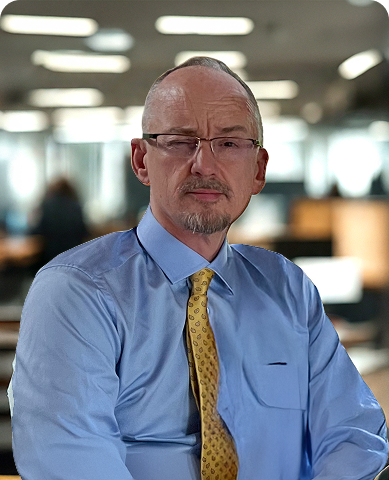
Todd Thomas
Infrastructure, security, and reliability. The reason your agents survive production.

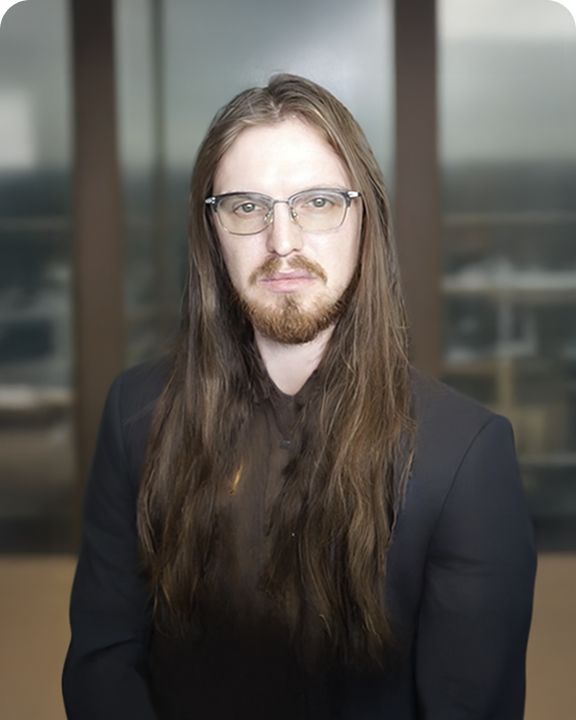
Taylor Smith
Discovery to production, embedded in your stack. One seat away, owning the outcome.

Jon Roden
Champion of our customers: driving outcomes and adoption, not billable hours.
Frequently asked questions
What exactly is Forward Deployed AI Engineering?
We embed senior engineers directly inside your team, your Slack, and your real data. They take agentic AI from a vague idea to a production system: writing the code, integrating your stack, and owning the result. Palantir invented the forward-deployed model. OpenAI, Anthropic, and AWS now pour billions into it, and we've shipped this way for years. The difference from traditional consulting is simple: we don't hand you a recommendation and an invoice. We ship the software and stay accountable until it's live and driving value.
Why not just use our existing team or a big consulting firm?
Your team is already busy running the business. Big firms sell you a discovery phase, a steering committee, and three layers of management that never touch a keyboard. You pay for the org chart, not the outcome. We are the outcome. One embedded forward-deployed engineer with your full context ships more in a month than a bloated engagement ships in a quarter, at a fraction of the burn. The deployment gap isn't a knowledge problem. It's a process problem, and we delete the process.
How fast can we actually see agentic AI in production?
Weeks, not quarters. We start with your real data and real users on day one. We ship a working prototype fast to kill bad assumptions early, then harden it into a secure, observable, production-grade system with evals and human-in-the-loop controls where they matter. You'll see agents doing real work before most vendors finish writing their statement of work. And because it's built on Kubernetes-grade foundations, what launches on Friday is still running and governed on Monday.
What is a forward deployed engineer?
A forward deployed engineer is a senior engineer who embeds directly inside your company: your Slack, your data, your repositories. They take a problem from vague idea to production system, framing it, writing the code, integrating your stack, and staying accountable until it's live and driving value. The model was invented at Palantir and is now how OpenAI, Anthropic, and AWS deploy AI into the enterprise. “Deployed” is literal: the engineer ships inside your environment, not from a distant backlog.
How is a forward deployed engineer different from staff augmentation or hiring a contractor?
Staff augmentation rents you a body to work tickets under your management. A real forward deployed engineer owns an outcome. Most “forward deployed engineer” marketplaces are staff augmentation with a fashionable title. They place a developer, bill by the hour, and hand you the management overhead. We don't place developers. We deploy an engineer who frames the problem, ships the agentic system, and is accountable for it running in production. If you're managing them, it isn't forward deployment.
How much does it cost to hire a forward deployed engineer? Are there upfront or recruitment fees?
No recruitment fees, no contract-lock games, and no paying for an org chart of people who never touch a keyboard. You engage one embedded forward-deployed engineer against a defined outcome. You get more shipped in a month than a bloated staffing contract delivers in a quarter, at a fraction of the burn. We scope pricing to the outcome on a short call.
What technical expertise do your forward deployed engineers have?
Senior, production-grade engineers across agentic AI (multi-agent orchestration, RAG, evals, human-in-the-loop), data integration, backend and API engineering, and Kubernetes-native infrastructure. The bar is “can design it, ship it, and keep it running under enterprise load and security review,” not “can fill a seat.”
How do you handle enterprise security and compliance?
Security and compliance are built into the platform from day one: authentication, authorization, auditability, and governance. Everything runs on Kubernetes-grade foundations designed to pass enterprise security review, and your agents are governed from the first request. “Compliance won't allow it” stops being a real objection.

Forward deployment is the whole model.
Discover the real problem, build the solution, deploy it safely, drive adoption, and feed everything we learn back into your roadmap. One embedded engineer owns it end to end. No handoffs, no layers, no lost context.
Download capability PDF ↓Ready to skip the kickoff theater and ship?
Tell us about the AI initiative your last three vendors couldn't close. We'll show you how a forward-deployed engineer puts an agentic system in production faster than a traditional firm can schedule its first steering committee.